
Many mistakenly believe that Chinese automobiles succeed abroad solely through low prices; however, what truly wins over African buyers and vehicle owners is the ability to precisely tailor products to a wide range of needs.
1. Precise Price Positioning
Leading Chinese models span diverse price points, catering to the budgets of private households, taxi fleets, and logistics companies in the mining sector. At comparable price points, features such as smart cockpits and driver-assistance systems outperform competitors; in an African landscape where service centers may be widely dispersed, these intelligent features effectively reduce long-term ownership costs.
2. Comprehensive Vehicle Portfolio
Consumer Market: SUVs, sedans, and hybrid models for urban commuting;
Commercial Market: Pickups, light trucks, buses, dump trucks, and refrigerated trucks suited for agricultural transport, mining, and passenger transit;
Specialized Vehicles: Construction machinery, new energy buses, and utility vehicles to meet project-specific procurement needs.
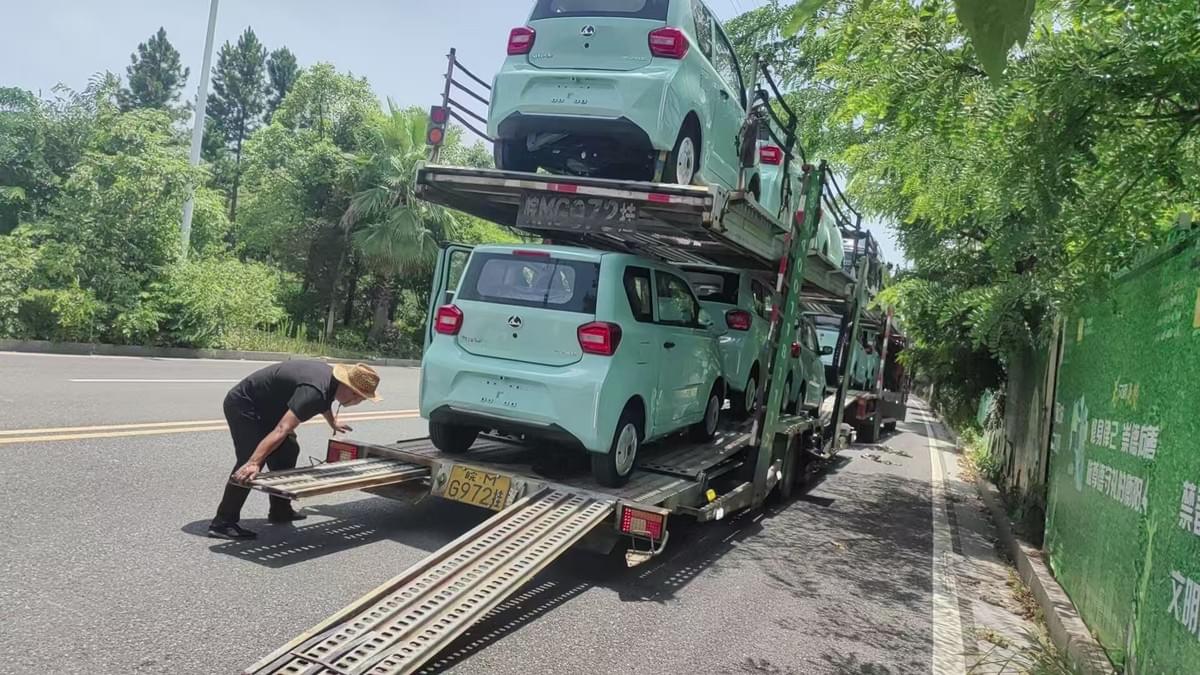
3. Deep Product Localization
Vehicles are factory-enhanced to withstand Africa’s high temperatures, dusty conditions, and long-distance driving requirements—featuring improved heat dissipation, rust-proof chassis, and reinforced suspension. Hybrid models combine fuel efficiency with long range, perfectly balancing the challenges of high local fuel prices and unstable power supplies.
4. Transitioning from "Selling Cars" to Localized Ecosystem Operations
Relying solely on vehicle exports makes businesses vulnerable to trade policy fluctuations; establishing a local presence is key to breaking through these barriers. Leading Chinese automakers are setting up KD (Knock-Down) assembly plants to bypass tariff barriers, while export enterprises are establishing overseas warehouses and after-sales networks to boost customer loyalty.
Africa offers vast opportunities, yet complex customs regulations, lengthy logistics chains, and a lack of after-sales infrastructure mean that a purely export-based model often faces issues like port congestion, communication breakdowns, and service gaps.

Seetoone International is deeply rooted in the African market, having established local subsidiaries in Ghana and Madagascar, along with overseas forward warehouses and offline service centers. Our local teams are well-versed in regional laws, business practices, and port clearance procedures; by eliminating information gaps inherent in remote operations, we ensure rapid responses to the needs of our distributors.